
Videos

Videos from our Fellows

The Netherlands is home to leading researchers. What they do in their projects to learn more about life and evolution? Sometimes that’s quite complex. Exactly why the Origins Center explains what scientists are actually researching in a series of educational videos. And: why.

To Youtube Channel

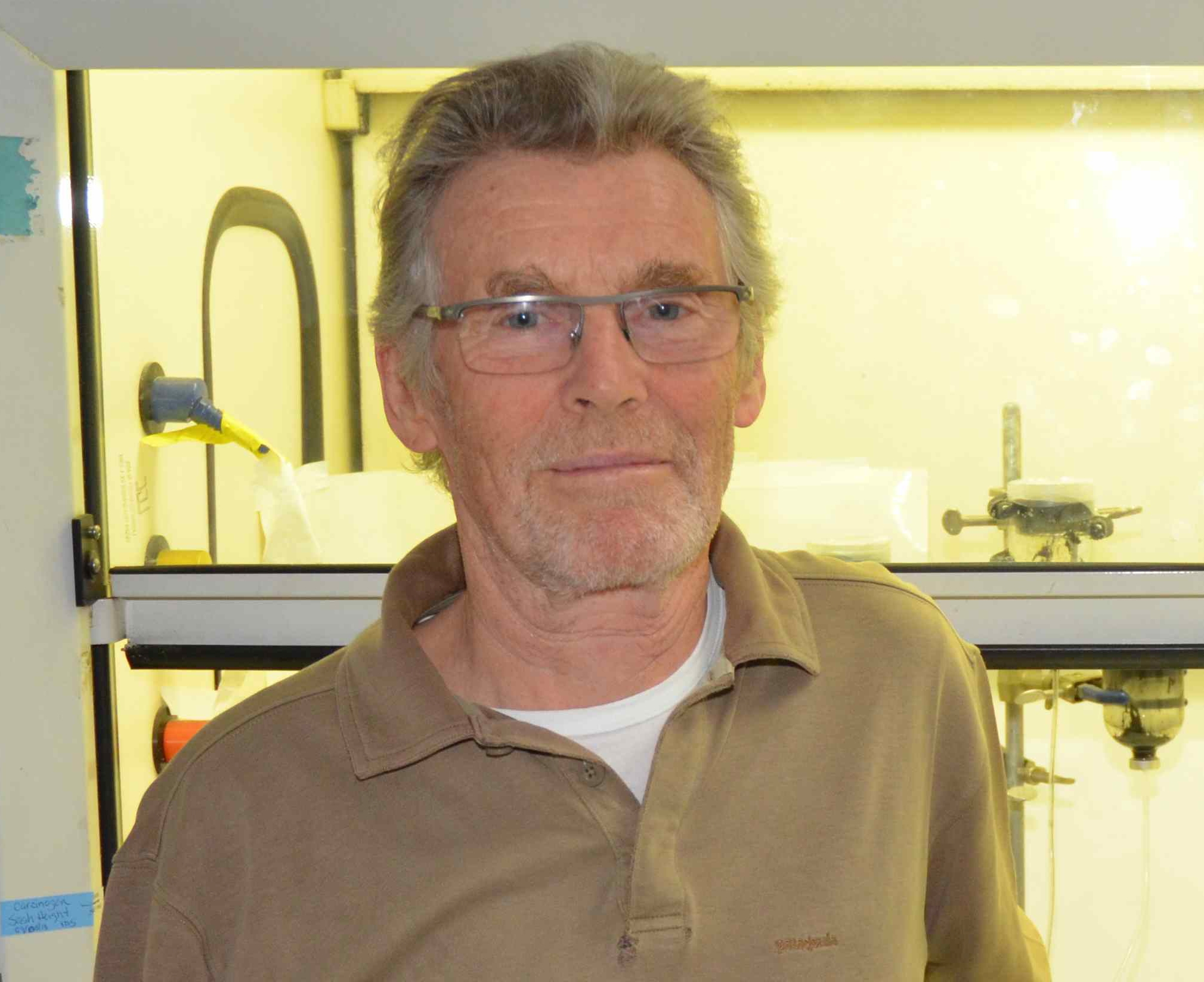
Was it by chance that people evolved?

Ken Kraaijeveld, research fellow, Origins Center

Watch video

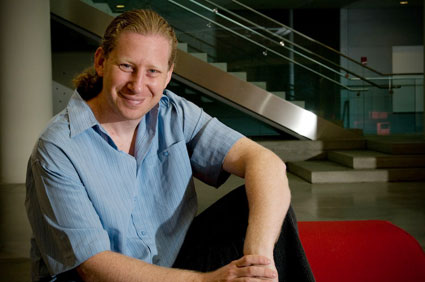
Do we understand evolution well enough to predict it?

Meike Wortel, research fellow Origins Center

Watch video

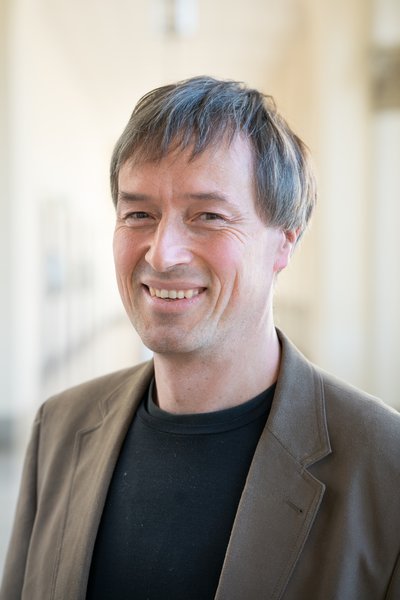
How did we get so many complex species?

Renske Vroomans, research fellow Origins Center

Watch video

Webinars

The Origins Center is organizing a series of webinars from October until June. In these online sessions, open to science and the public, we bring you up to date on the latest scientific discoveries and challenges.

Join

Webinar: Jim Cleaves

Watch video

Webinar: Michael Russell

All the constituents for life’s emergence were there, at a submarine alkaline vent, about 4.4 billion years ago.

Watch video

Webinar: David Deamer

Prof. Deamer will describe how mixtures of certain organic compounds present on the early Earth can assemble into systems of encapsulated polymers referred to as protocells.

Watch video

Webinar: Daniel Needleman

The spindle, the self-organizing structure that segregates chromosomes during cell division, shows remarkable diversity between species. I will present work in which we aim to integrate mechanistic and evolutionary studies of spindles.

Watch video

Webinar: Paola Caselli

Our Solar System was born from a dark and cold cloud made out of molecular gas and small dust particles. Thanks to powerful telescopes, we can now study in detail these clouds, their chemical ingredients and their evolution.

Watch video

Webinar: Dieter Braun

How can we derive answers to the question of the origin of life? Instead of simply collecting facts, biological systems can now be directly tested by synthetically reconstructing them.

Watch video

Webinar: Betül Kaçar

In this talk, Betül will survey her group’s efforts in towards establishing a molecular paleobiology approach. She will further discuss how exploring the early evolution of ancient biomolecules, protein-cofactor interaction interfaces and metallosystems contribute to our understanding of origins and first life on Earth.

Watch video

Webinar: Eörs Szathmáry

His main interest is theoretical evolutionary biology and focuses on the common principles of the major steps in evolution, such as the origin of life, the emergence of cells, and the origin of animal societies.

Watch video

Webinar: Kate Adamala

Her research on prebiotic RNA replication provided an experimental scenario for the RNA world hypothesis of the origin of life. She has worked on constructing liposome bioreactor synthetic cells.

Watch video

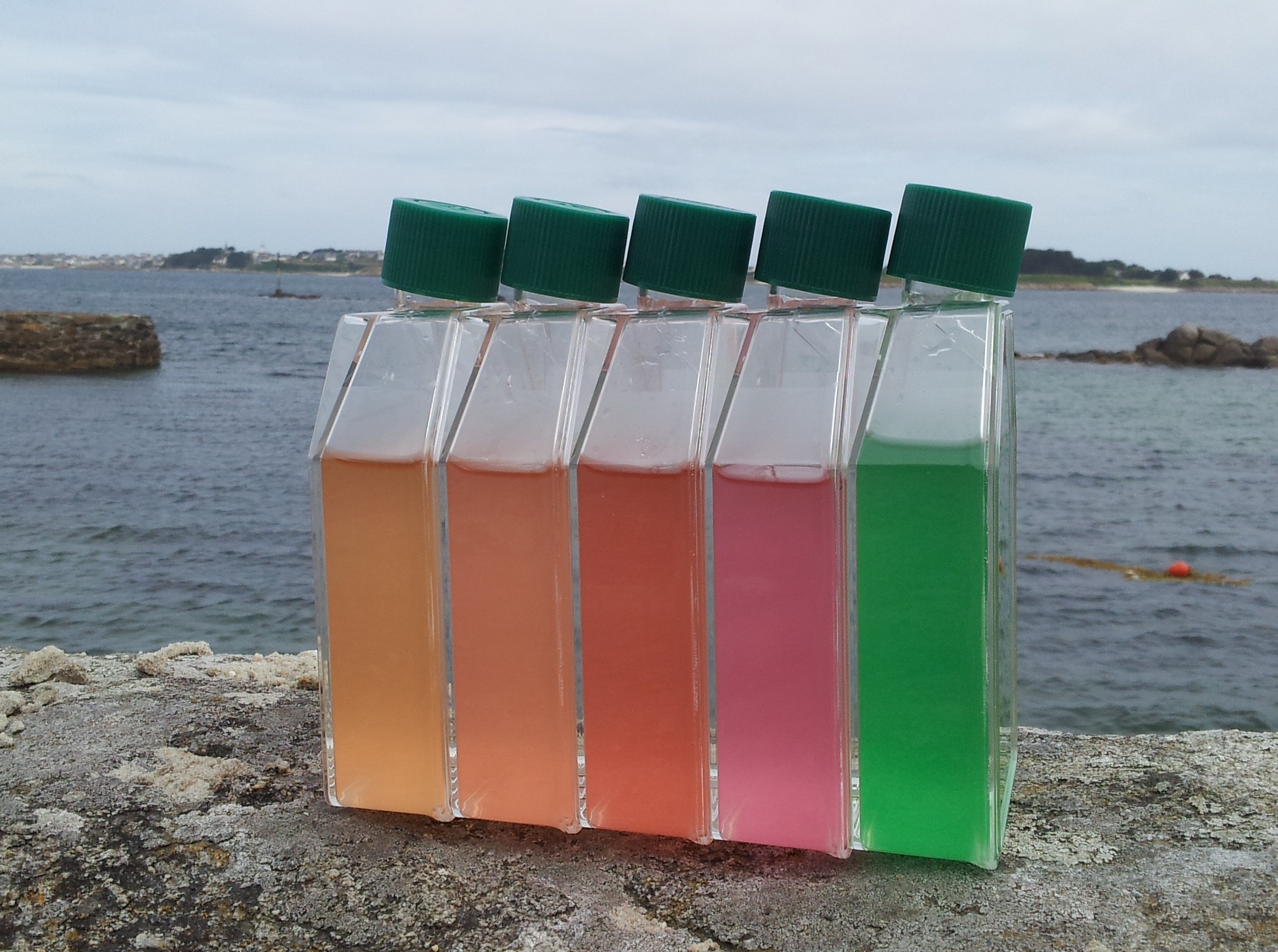
Webinar: Jef Huisman

Vibrational modes of water predict spectral niches for photosynthesis in lakes and oceans. Webinar by Jef Huisman, professor Aquatic Microbiology, University of Amsterdam (UvA)

Watch video

Webinar: Charles Cockell

Exploring microbial interactions with rocks on the International Space Station - Charles Cockell, professor of Astrobiology, University of Edinburgh

Watch video

Universiteit van Nederland

At the Universiteit van Nederland leading Dutch scientists give free, short internet presentations. Desktop full screen, tablet on your lap, mobile at hand? Watch some of the best lectures in the Netherlands.

universiteitvannederland.nl

The craziest planets

Watch video

Why there must be alien life near Jupiter? (Dutch)

Prof. dr. Bert Vermeersen, planetary scientist, TU Delft

Watch video

Did all life begin with a stone? (Dutch)

Dr. Inge Loes ten Kate, astrobiologist Utrecht University

Watch video

Is there life on the moon? (Dutch)

Prof. dr. Bert Vermeersen, planetary scientist TU Delft

Watch video